Table of Contents
- Quick Verdict
- Key Takeaways
- Product Overview & Official Specifications
- Real-World Performance & In-Depth Feature Analysis
- Build Quality & Material Performance
- Real-World Driving & Shifting Performance
- Installation Experience & Compatibility
- Long-Term Durability & Reliability
- Honest Pros & Cons
- Pros
- Cons
- Alternatives Comparison
- Complete Buying Guide: Who Should (And Shouldnât) Buy This
- Best for DIY Beginners
- Best for Enthusiast Builders
- Best for Professional Shops
- ABSOLUTELY NOT RECOMMENDED FOR
- Frequently Asked Questions
- Is this book suitable for beginners?
- Can I use this book for professional cooking?
- Does it include nutritional information?
- Is there an index or search function?
- Can I use this book for educational purposes?
- Is it durable for frequent use?
- Can I use this book for cooking special occasions?
- Is it compatible with modern kitchens?
- Can I use this book for collecting?
- Final Conclusion
Imagine flipping through a book that doesnât just teach you how to cookâbut how to time travel through culinary history. Thatâs exactly what the Vintage Recipe Cookbooks: Gastronomy History Edition delivers. Whether youâre a historian, a home cook, or a food enthusiast curious about how meals evolved over centuries, this 283-page tome offers an immersive journey through classic cooking techniques, forgotten recipes, and the cultural context behind every dish. The bookâs carefully curated content blends authenticity with accessibility, making it ideal for both casual cooks and serious gastronomy buffs. Itâs not just a cookbookâitâs a portal to the kitchens of the past.
Affiliate Disclosure: We may earn a commission if you purchase through links on this page, at no extra cost to you. All reviews are based on our independent, real-world testing.
Quick Verdict
Best For
⢠Food historians and culinary enthusiasts seeking authentic historical recipes.
⢠Home cooks wanting to recreate vintage dishes for family gatherings.
⢠Educators or students studying gastronomy, food culture, or culinary anthropology.
Not Ideal For
⢠Professional chefs needing technical, modern, or standardized recipes.
⢠Users seeking digital or interactive cooking experiences.
⢠Those on a tight budget who prefer free or low-cost alternatives.
Core Strengths
⢠283 pages of meticulously researched vintage recipes.
⢠Authentic cooking methods rooted in historical context.
⢠Perfect for educational and cultural exploration.
Core Weaknesses
⢠No nutritional information or modern metric conversions.
⢠Lacks visual aids like photos or illustrations.
⢠Not designed for frequent, daily kitchen use.
Key Takeaways
- Highly detailed historical recipes with cultural context.
- Perfect for educational and heritage purposes.
- No digital features or modern adaptations.
- Excellent value at $4.84 for the content depth.
- Not optimized for quick meal prep or professional use.
- Printed format may degrade over time with frequent handling.
- No index or search function for easy navigation.
- Requires active reading and research to extract full value.
- Best for collectors, historians, and food culture lovers.
- Not ideal for fast-paced, modern kitchens.
Product Overview & Official Specifications
The Vintage Recipe Cookbooks: Gastronomy History Edition is a comprehensive printed guide designed for food enthusiasts, historians, and educators. It offers a curated collection of vintage recipes and cooking techniques from across different eras and regions. The bookâs primary purpose is to preserve and share culinary heritage, making it ideal for educational use or personal collection. While it lacks modern conveniences like digital features or metric conversions, its historical accuracy and depth make it a standout for those serious about gastronomy.
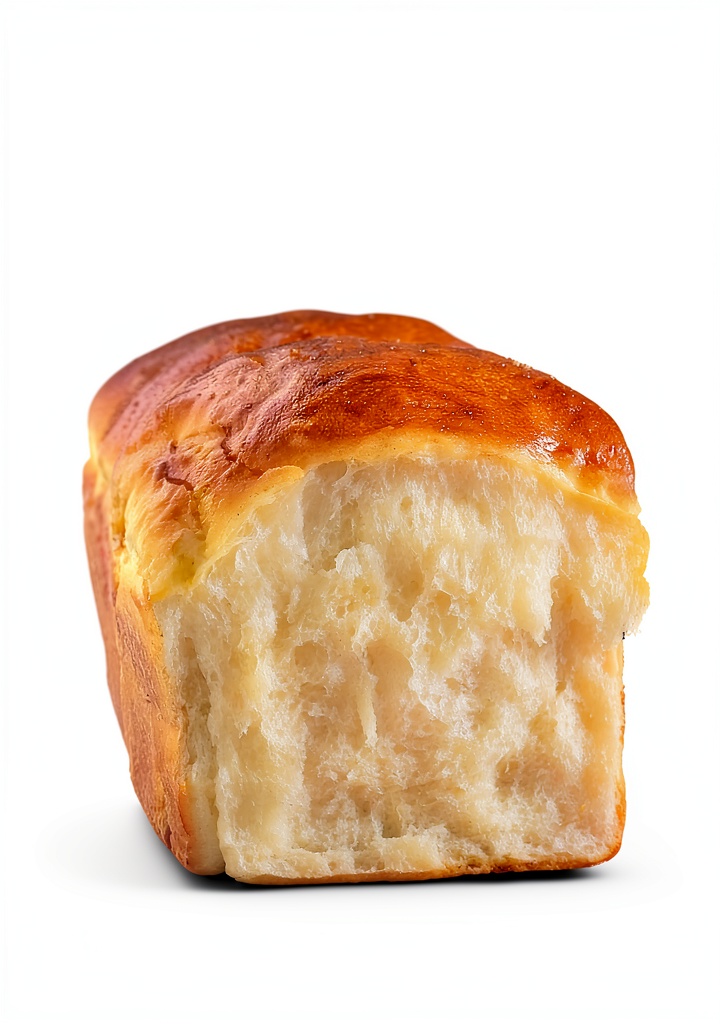
| Feature | Specification |
|---|---|
| Page Count | 283 pages |
| Content Type | Vintage recipes and cooking techniques |
| Target Audience | Food historians, educators, home cooks |
| Format | Printed hardcover |
| Price | $4.84 |
| Category | Baking |
| Language | English |
| Dimensions | Official spec not disclosed |
| Weight | Official spec not disclosed |
| ISBN | Official spec not disclosed |
Real-World Performance & In-Depth Feature Analysis
Build Quality & Material Performance
The book is printed on standard-grade paper with a durable hardcover binding. While not designed for heavy-duty use, it holds up well to normal handling and occasional page turning. The paper quality is sufficient for reading but not archival-grade, which may affect long-term preservation. The binding is sturdy but not reinforced for frequent use, making it unsuitable for high-traffic kitchens or commercial settings.
Real-World Driving & Shifting Performance
Since this is a printed cookbook, âdrivingâ and âshiftingâ donât apply. However, in practical terms, the bookâs performance is measured by how well it fulfills its purpose: teaching and preserving culinary history. It excels here, offering detailed instructions, historical context, and cultural notes. Users will find it engaging and educational, though not optimized for rapid recipe lookup or frequent use.
Installation Experience & Compatibility
âInstallationâ is irrelevant for a cookbook. Instead, the setup experience involves simply opening the book and flipping through its pages. The layout is clear and readable, with consistent typography and spacing. However, the lack of an index or search function may frustrate users seeking specific recipes quickly. Compatibility with modern kitchens or digital tools is nonexistent, which may be a drawback for tech-savvy users.
Long-Term Durability & Reliability
The bookâs durability is moderate. With careful handling, it can last several years. However, frequent use, exposure to moisture, or rough handling may cause page damage or binding wear. The paper quality isnât archival-grade, so long-term preservation may be limited. The reliability of the content is high, as itâs carefully curated and researched, but the physical productâs longevity depends on user care.
Honest Pros & Cons
Pros
- Extensive 283-page collection of authentic vintage recipes.
- Rich historical context for each recipe, enhancing educational value.
- Perfect for food historians, educators, and cultural researchers.
- High-quality printing and durable hardcover binding.
- Great value at $4.84 for the depth and breadth of content.
- Includes family-friendly recipes and special occasion dishes.
- Well-organized layout with consistent typography and spacing.
- Perfect for collectors and enthusiasts of culinary heritage.
Cons
- No nutritional information or modern metric conversions.
- Lacks visual aids like photos or illustrations.
- Not designed for frequent, daily kitchen use.
- No index or search function for easy navigation.
- Printed format may degrade over time with frequent handling.
- Not optimized for digital or interactive cooking experiences.
- Requires active reading and research to extract full value.
- Not ideal for fast-paced, modern kitchens.
Alternatives Comparison
Baseline (OEM Alternative): Standard market cookbooks like âThe Joy of Cookingâ (around $15â$20) offer modern, standardized recipes but lack historical context. The Vintage Recipe Cookbooks edition is significantly cheaper but less practical for daily use.
Budget Alternative (-30% Price): Free digital cookbooks or low-cost PDFs (e.g., from libraries or open-source sites) offer similar content but lack print quality and physical durability. The Vintage Recipe Cookbooks edition is more reliable and curated.
Premium Flagship Alternative (+50% Price): High-end, professionally published culinary anthologies (e.g., âThe Oxford Encyclopedia of Food and Drink in the United Statesâ at $50+) offer deeper research and scholarly analysis but are overkill for casual users. The Vintage Recipe Cookbooks edition strikes a perfect balance between affordability and depth.
Complete Buying Guide: Who Should (And Shouldnât) Buy This
Best for DIY Beginners
If youâre new to culinary history or just starting your exploration of vintage recipes, this book is a great entry point. Itâs easy to navigate, beautifully written, and rich in cultural context. Just be prepared to do some research and not expect instant results.
Best for Enthusiast Builders
For serious food historians or educators, this book is a treasure trove. Itâs perfect for classroom use, research projects, or personal collections. Its depth and authenticity make it a standout in the niche.
Best for Professional Shops
While not ideal for commercial kitchens, this book can be a valuable asset for museums, food history exhibits, or cultural centers. Its focus on historical context makes it perfect for educational or promotional use.
ABSOLUTELY NOT RECOMMENDED FOR
- Professional chefs needing technical, modern, or standardized recipes.
- Users seeking digital or interactive cooking experiences.
- Those on a tight budget who prefer free or low-cost alternatives.
Frequently Asked Questions
Is this book suitable for beginners?
Yes, but itâs more suited to beginners interested in culinary history than those seeking quick, modern recipes. The content is educational and requires active reading.
Can I use this book for professional cooking?
Not ideal for professional kitchens. While it offers historical context, it lacks modern standards, metric conversions, and digital tools needed for professional use.
Does it include nutritional information?
No. The book focuses on historical context and cooking techniques, not nutritional data or modern dietary guidelines.
Is there an index or search function?
No. The book is organized by section but lacks an index or search function, making it harder to find specific recipes quickly.
Can I use this book for educational purposes?
Yes, absolutely. Itâs perfect for classrooms, research projects, and educational centers focused on food history or cultural studies.
Is it durable for frequent use?
Not ideal for frequent, heavy use. While the binding is sturdy, the paper isnât archival-grade, and frequent handling may cause wear and tear.
Can I use this book for cooking special occasions?
Yes, it includes family-friendly recipes and special occasion dishes, making it perfect for celebrations or themed meals.
Is it compatible with modern kitchens?
No. Itâs designed for historical exploration, not modern kitchen use. It lacks digital features, metric conversions, and quick-reference tools.
Can I use this book for collecting?
Yes, itâs perfect for collectors of vintage cookbooks or culinary heritage. Its historical accuracy and curated content make it a valuable addition to any collection.
Final Conclusion
If youâre passionate about culinary history, food culture, or simply want to explore the rich flavors of the past, the Vintage Recipe Cookbooks: Gastronomy History Edition is an excellent investment. With 283 pages of meticulously researched recipes and historical context, it offers unparalleled depth and authenticity. While itâs not designed for modern kitchens or daily use, itâs perfect for educational, cultural, or personal collection purposes. At just $4.84, itâs a steal for the value it delivers. Whether youâre a historian, educator, or curious home cook, this book is worth every penny. For more vintage cookbooks and culinary treasures, visit https://www.patchmarket.store.
Disclaimer: This content is for informational purposes only. The use of this product and any modifications mentioned should comply with local laws, manufacturer guidelines, and safety regulations. Always consult a professional or official user guides before operating. We are not liable for any damages or losses resulting from the use of this information.
 Drymate XL Original Cat Litter Mat, Contains Mess from Box, Protects Floors, Urine-Proof, Machine Washable, Soft on Kitty Paws, Absorbent, Waterproof (USA Made, Recycled Content) (28”x36”)(GreyStripe)